

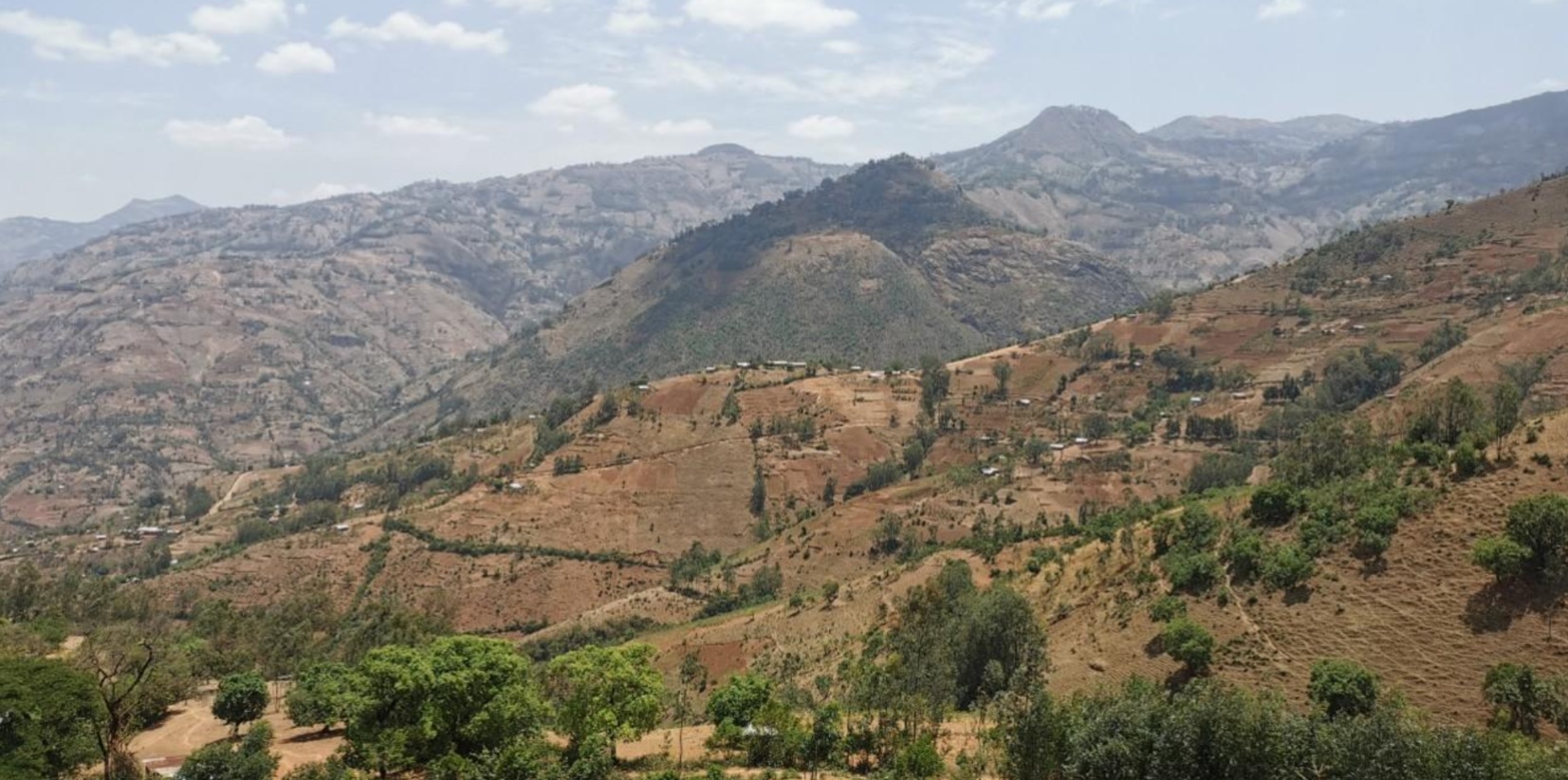

The design and construction methods for drinking water infrastructure must meet the requirements for maintainability by local operators, particularly in Ethiopia’s rural mountainous areas.
Unlike conventional Central Reservoir systems, which suffer from high pressure, frequent pipe breaks, and community conflicts over shared water, the Distributed Storage model places smaller reservoirs near each community and uses adapted distribution boxes to passively split flow in fixed proportions. This decentralised approach isolates leaks to single branches, maintains low line pressure without complex break-pressure tanks, and lowers costs by using smaller pipe diameters.
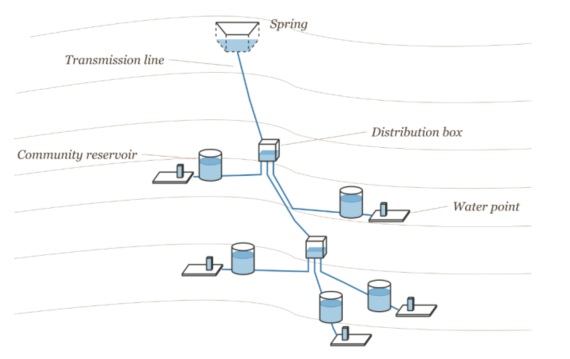
Crucially, the approach relies on non-negotiable construction practices, such as designing spring boxes as drainage structures rather than dams, using standard metal molds for durable concrete reservoirs, and building ergonomic water points with built-in laundry tables and livestock troughs. Specialised software computes realistic Hydraulic Grade Lines (HGL) to account for air blocks and negative pressure, while hybrid systems can be deployed in areas where steep terrain transitions into flat areas.
The following document outlines the advantages and disadvantages of each model and provides technical drawings of the main network components.
This document was produced by Pierre Perrault, Head of Sector for Ethiopia, in September 2026.

'/%3E%3C/g%3E%3Cuse%20href='%23c'%20transform='matrix(-1%200%200%201%20720%200)'/%3E%3C/svg%3E)